Then and now

A short timeline.

  1. 2013

    The project starts

    Seven battles are chosen, each entrusted to a wargame designer: Austerlitz 1805, Gettysburg 1863, Kharkov 1943, Normandy 1944, Market Garden 1944, Korea 1950–51 and October War 1973. A common engine and a common set of rules are built to carry them all.

  2. 2014

    Normandy 44 is released

    The first battle ships on iOS and later on Steam.

  3. 2015

    October War 1973 is released

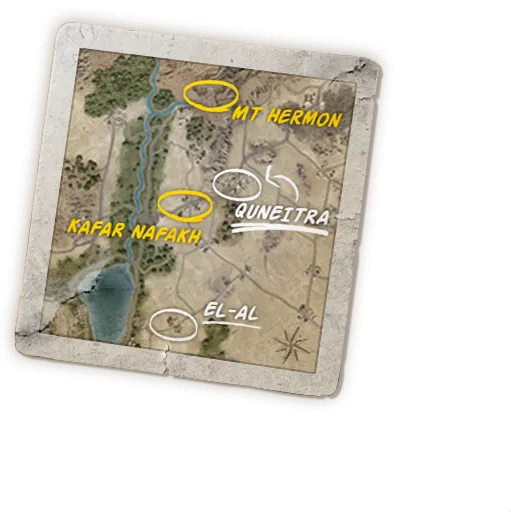
    The second battle follows: the Sinai and the Golan Heights on one map.

  4. 2015

    Development stops

    The money to develop the next battles to the same standard is not there. The team disbands. Both released battles stay on sale.

  5. 2026

    MyWargames

    The engine, the game system and the design work of all seven battles are taken up again, and the project is relaunched as MyWargames.

The idea

One system, a series of battles.

Wars and Battles was built as a platform: a common engine and a common set of rules, with each battle bringing its own map, order of battle and scenarios. Seven battles were designed, each by an experienced wargame designer, with historians checking the orders of battle and the terrain.

It was a serious attempt at a serious thing: hand-painted maps, hundreds of unit profiles and 3D models, sound recorded for each family of weapons, six languages, and an AI opponent for every scenario.
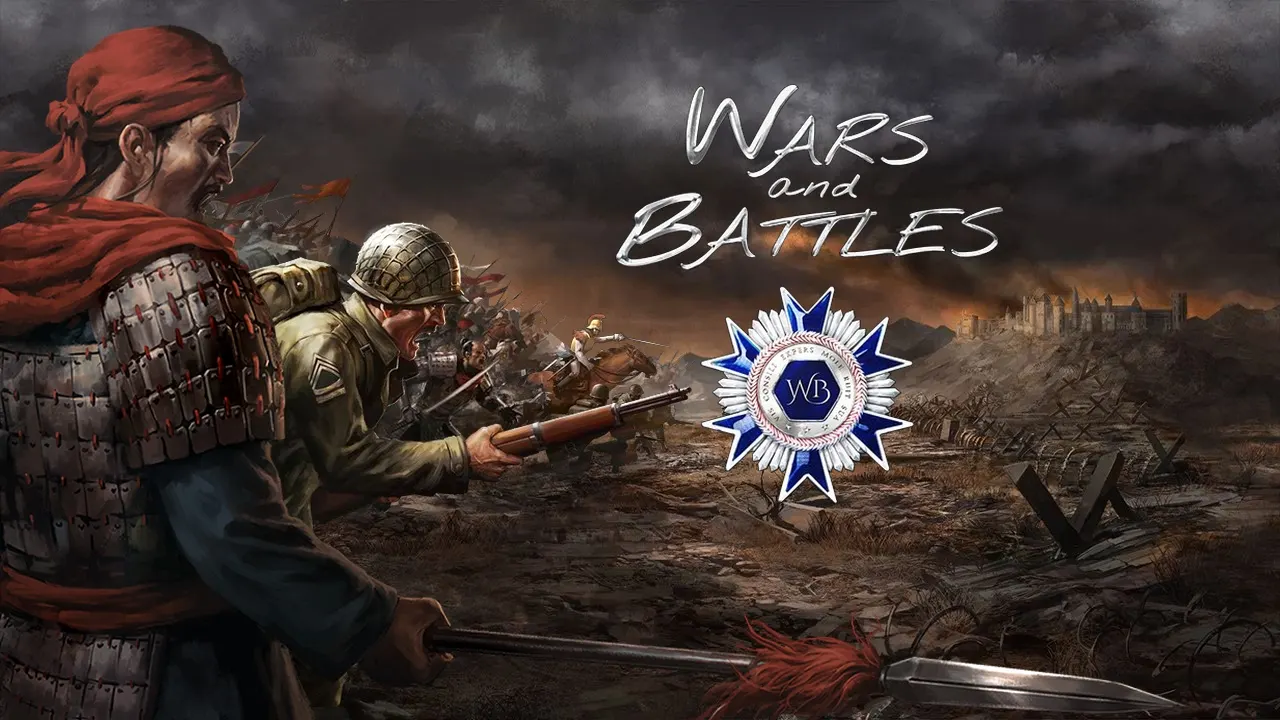
The Wars and Battles title illustration: the handwritten logo with a blue and silver star medal, a samurai and an American GI in the foreground, cavalry and ruins behind.
The Wars and Battles title screen.

Two battles released

Normandy 44 and October War 1973.

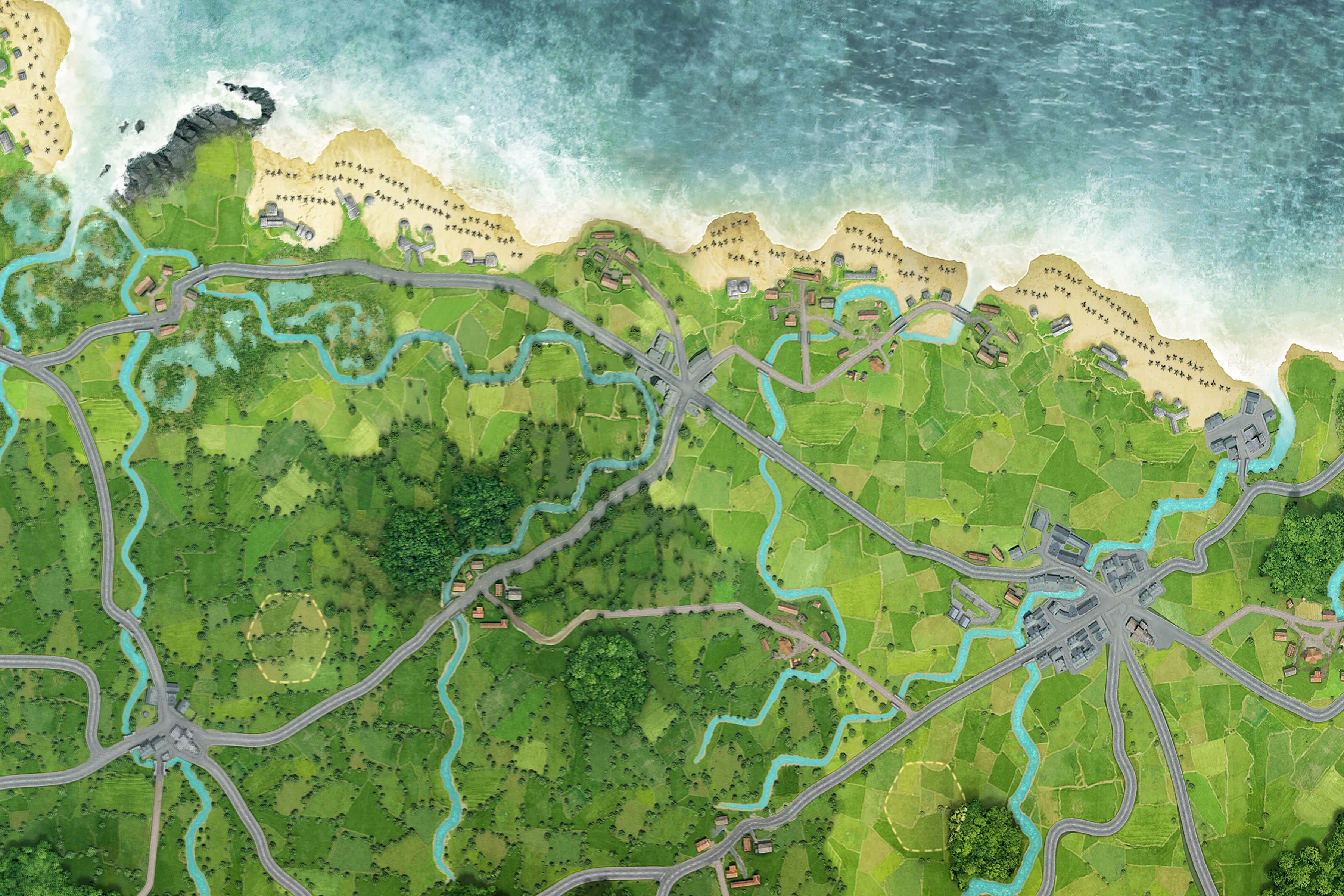
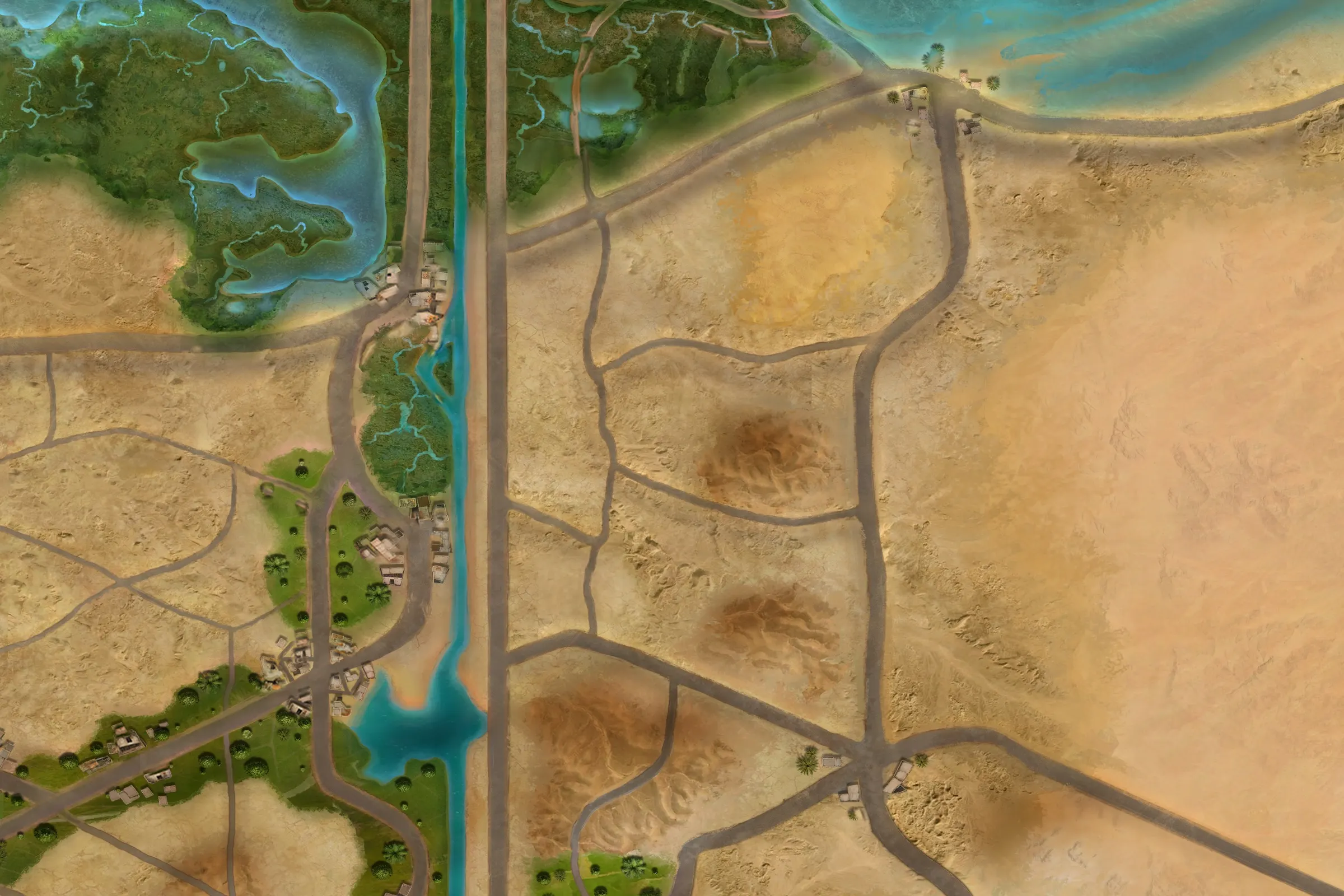
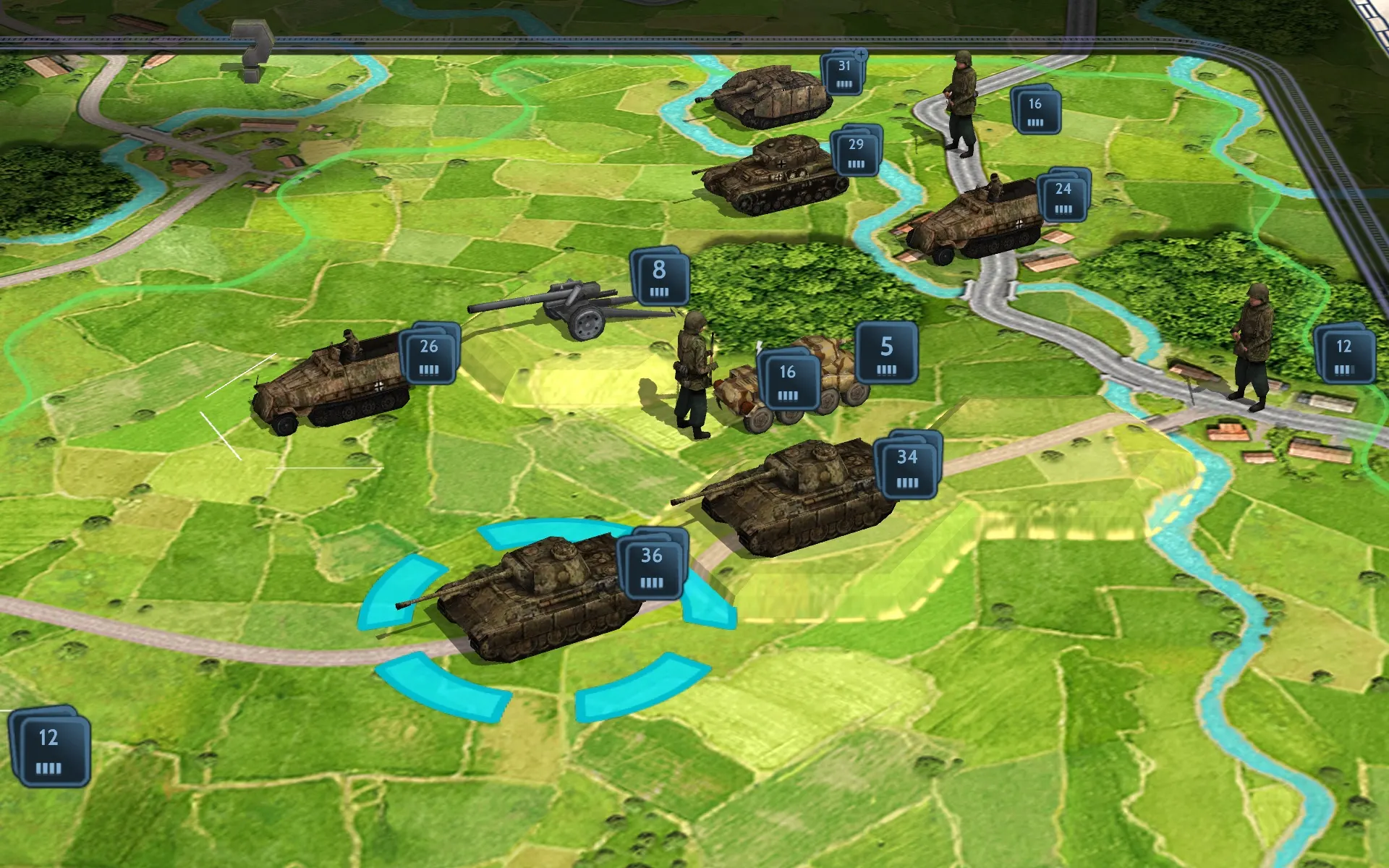
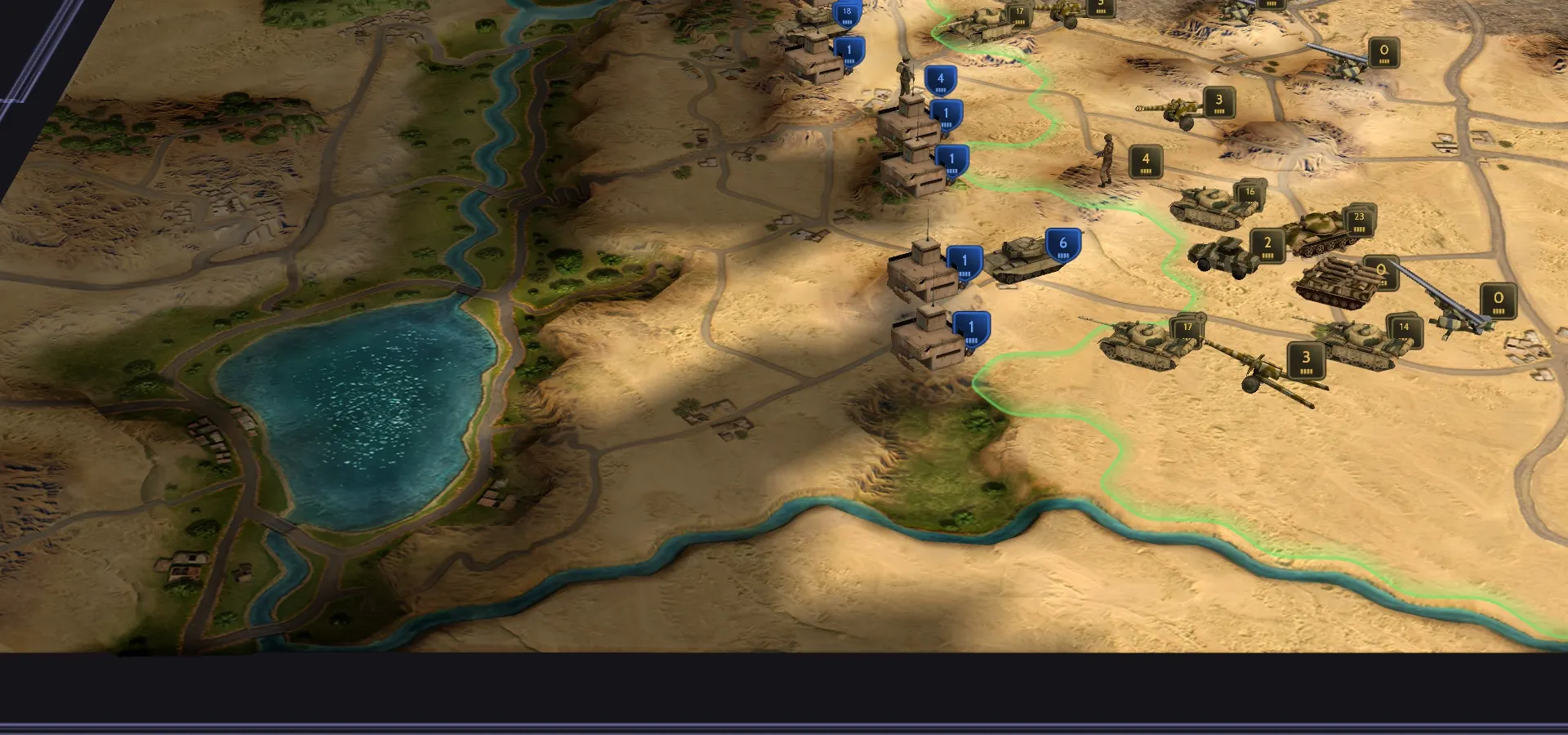
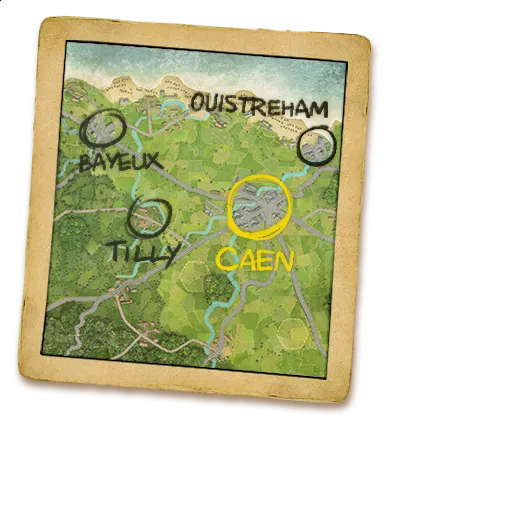
Two battles reached players. Normandy 44 covers the Normandy campaign on a painted map of the Cotentin, the beaches and the bocage, in forty scenarios from a single day's fight to the whole campaign. October War 1973 puts the Sinai and the Golan Heights side by side on one map.

Both are played the same way: activation points, impulses, hexagons, stacks, zones of control, supply, weather, a combat table and the fog of war, in 2D on a map or in 3D on a command-room table.

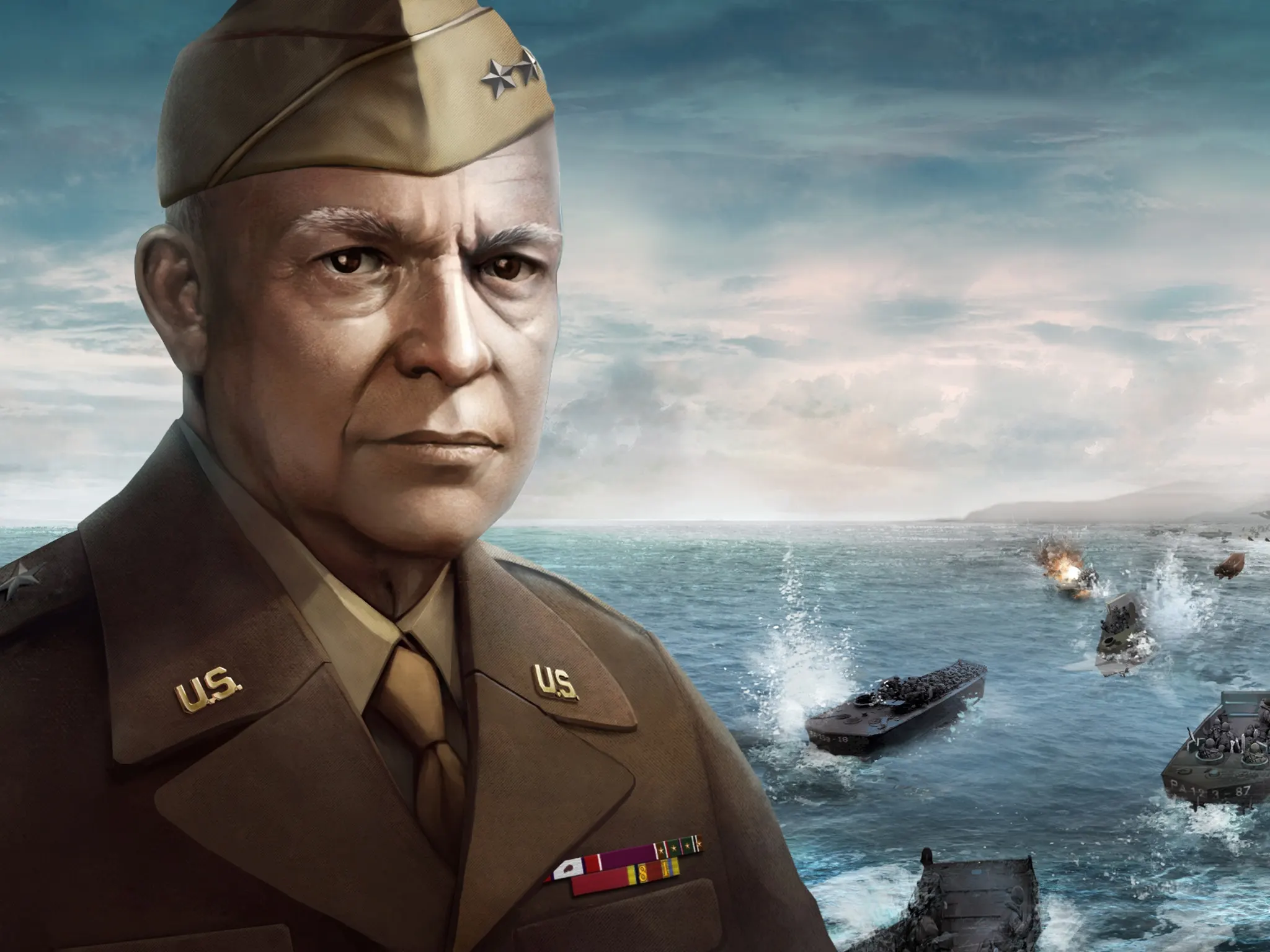
Painted illustration of General Eisenhower in portrait, with landing craft under fire at sea behind him.
Normandy 44, the first battle released.

The cost of a battle

Then the project met the cost of doing it properly.

A battle made to that standard costs a great deal: months of research, the design and testing of dozens of scenarios, a hand-painted map, hundreds of unit profiles and 3D models, sound, an AI that plays every scenario, six languages. After Normandy 44 and October War 1973, the money to develop the next battles was not there, and development had to stop.

Five more battles had been designed, and some of them were well advanced in art and data. They never shipped.

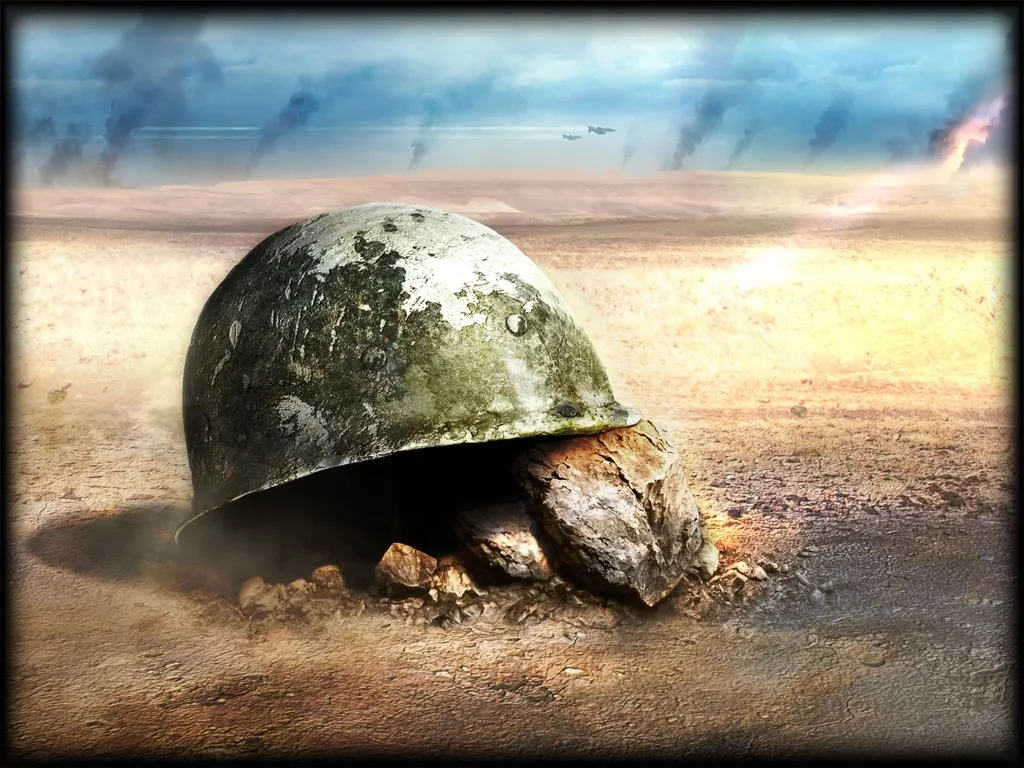
Painted illustration of an abandoned, weathered helmet on desert sand, with columns of smoke and jets in the sky.
October War 1973, loading screen.

Still on sale

You can still play Wars and Battles.

Both battles are still on sale on Steam and on the App Store, and people still enjoy them. Be clear about what you are buying, though: Wars and Battles will not evolve any further. There will be no new battles, no new features and no updates. What you see is what there is.

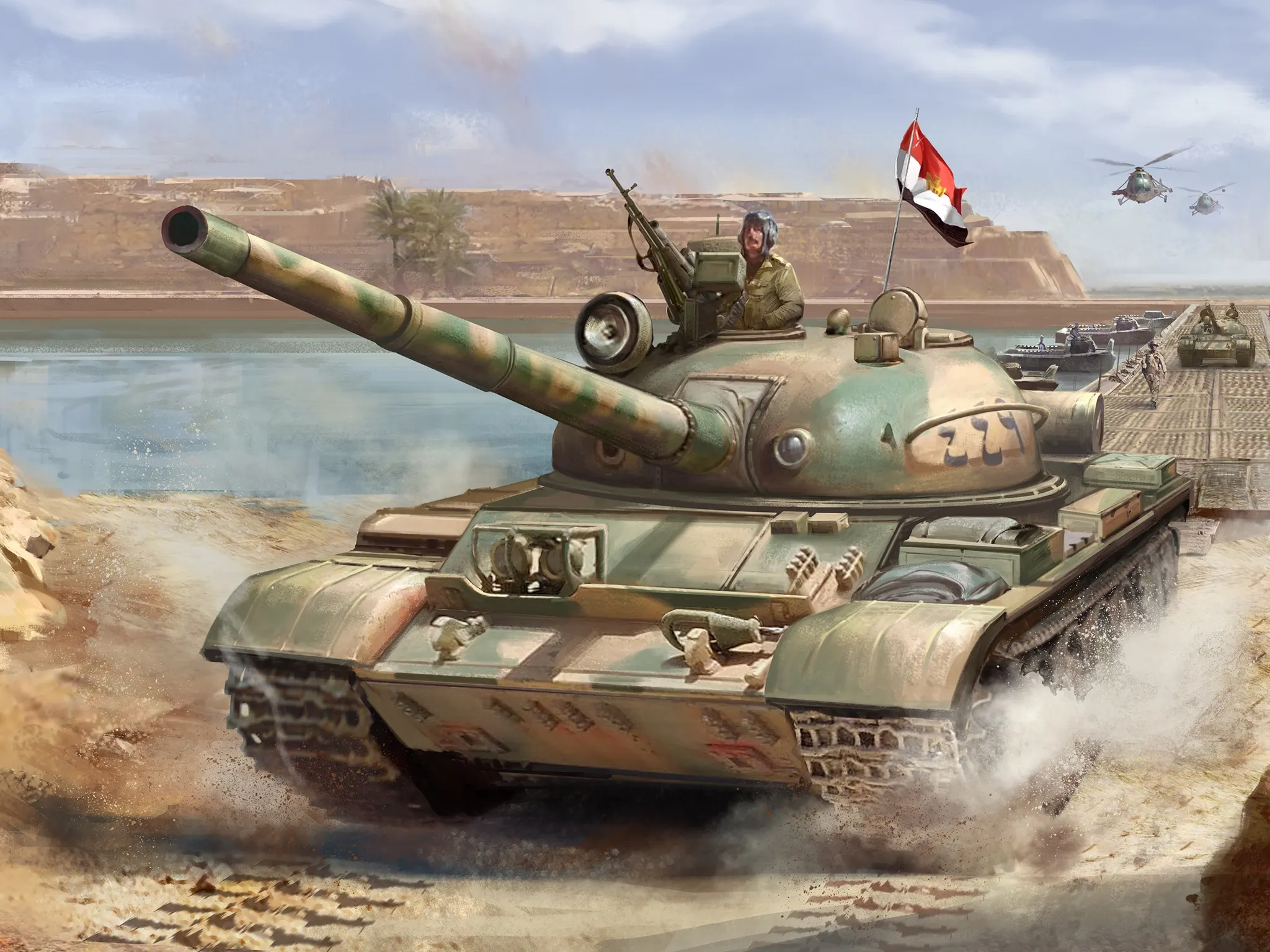
Painted illustration of an Egyptian T-62 tank flying a flag as it crosses a pontoon bridge over the Suez Canal, with helicopters overhead.
October War 1973, the second battle released.

What remains

Everything learned then is the foundation of MyWargames.

The engine, the game system, the design documents, the maps, the art and the data of all seven battles survived, along with the lessons of the first attempt. MyWargames starts from there, not from a blank page.

Read about the MyWargames project.